

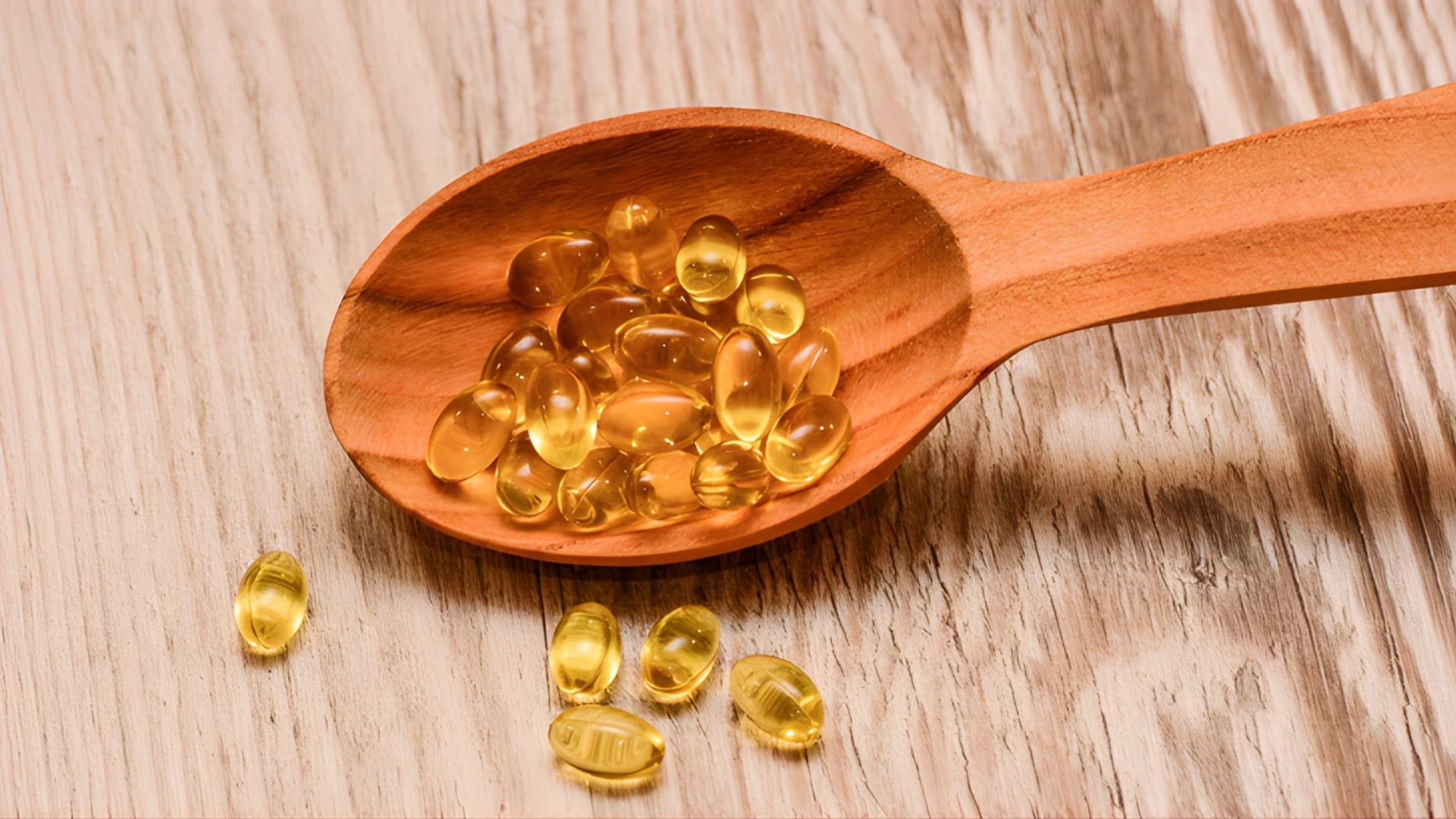
Introduction
India’s supplement market has exploded in the last five years. More people are turning to capsules, powders, and oils to support energy, skin, digestion, hormones, and immunity. But with that growth comes a big question: should you choose natural or synthetic supplements?
The difference isn’t just in the label. How your body absorbs the nutrients, how safe they are over time, and how well they actually support your health all come down to one thing: whether the supplement comes from real, plant-based sources or is synthetically made in a lab.
This guide breaks down the full picture so you can understand the real difference between natural supplements vs synthetic supplements in India, what works better for your health, and how to choose clean, trustworthy options.
Neat Everyday Soft-Gels Collection
1. Natural vs Synthetic: What Do These Terms Actually Mean?
Before you compare them, it helps to understand what each label really means.
What Are Natural Supplements?
Supplements made from whole, plant-based or naturally occurring sources. They are extracted through processes like:
-
cold pressing
-
water or alcohol extraction
-
fermentation
Examples include:
-
flaxseed oil capsules
-
neem oil capsules
-
garlic oil capsules
-
wheat germ oil capsules
Natural supplements contain nutrients in a form the body recognizes and knows how to use.
What Are Synthetic Supplements?
Nutrients that are manufactured in a lab to mimic natural vitamins or minerals. They are chemically identical but may behave differently inside the body.
Examples:
-
synthetic Vitamin C (ascorbic acid)
-
synthetic Vitamin E (dl-alpha-tocopherol)
-
artificial multivitamins
-
chemically derived Omega-3
They can be useful in clinical settings, but for everyday wellness, they come with limitations.
Key Difference:
Natural ingredients are part of complex plant matrices with co-factors and bioactive compounds.
Synthetic nutrients are isolated molecules.
This difference shapes everything: absorption, dosage, effectiveness, and long-term impact.
Harvard Health – Natural vs synthetic nutrients overview

2. How Your Body Processes Natural vs Synthetic Supplements
Your body treats these two categories very differently — and this is where most people get misled.
A. Absorption (Bioavailability)
Natural supplements:
Your body absorbs them more easily because they contain co-factors, enzymes, and plant compounds that help absorption.
Synthetic supplements:
Often harder to absorb, leading to excess being flushed out.
Example:
Natural Vitamin E (d-alpha-tocopherol) is absorbed almost twice as effectively as synthetic Vitamin E (dl-alpha-tocopherol).
B. Safety & Long-Term Use
Natural supplements:
-
gentle on the liver
-
low toxicity
-
fewer additives
-
safer for daily use
Synthetic supplements:
-
may contain binders, fillers, colors, preservatives
-
higher toxicity risk if overused
-
can cause digestive irritation
C. Synergy & Effectiveness
Natural ingredients work holistically. For example:
Flaxseed oil isn’t just Omega-3 — it also contains lignans, antioxidants, and plant sterols that support hormones, digestion, and inflammation.
Synthetic Omega-3 lacks these natural companions.
D. Digestive Friendliness
Natural oils and herbs support gut health. Many synthetic vitamins irritate the stomach or disrupt gut bacteria.
NIH – Absorption differences between natural & synthetic supplements
3. A Head-to-Head Comparison: Natural vs Synthetic Supplements in India
|
Feature |
Natural Supplements |
Synthetic Supplements |
|
Source |
Plants, oils, herbs |
Lab-based chemicals |
|
Absorption |
High |
Moderate to low |
|
Safety |
Strong for daily use |
Mixed |
|
Cost |
Usually slightly higher |
Often cheaper |
|
Benefits |
Holistic & gentle |
Targeted & isolated |
|
Digestive Comfort |
Excellent |
Varies |
|
Best For |
Long-term wellness |
Acute deficiencies |
Natural supplements win for daily wellness, skin, hair, hormones, digestion, and energy — all categories where Neat Everyday products thrive.
4. Why India Is Shifting Towards Natural Supplements
Several factors are driving this change:
1. Rise of Clean-Label Movement
People want supplements with fewer chemicals, more transparency, and real ingredients.
2. Growing Awareness of Gut Health
Synthetic additives often irritate the digestive system.
3. Increasing Hormonal & Skin Concerns
Women especially are choosing natural oils for PMS, acne, PCOS symptoms, and hair fall.
4. Cultural Resonance
India has a long history of using herbs, seeds, and oils — from methi to neem to castor.
5. Vegan & Vegetarian Lifestyle Growth
Plant-based supplements are easier to digest and fit dietary values.
Neat Everyday Hormonal Wellness Combos
5. The Best Natural Supplements in India (Backed by Science & Tradition)
1. For Skin: Wheat Germ Oil + Neem Oil Capsules
-
Vitamin E repairs skin
-
Neem reduces inflammation
-
Together: glow + clarity + hydration
2. For Hormones & Stress: Flaxseed Oil + Evening Primrose Oil
-
Omega-3 helps balance estrogen & progesterone
-
EPO supports calmness and PMS relief
3. For Digestion: Castor Oil + Garlic Oil Capsules
-
Castor supports smooth digestion
-
Garlic improves metabolism & gut microbiota
4. For Immunity: Neem + Garlic
Two of India’s most powerful natural immune boosters.
6. Signs Your Synthetic Supplements Aren’t Working
You may need to switch to natural supplements if you notice:
-
you still feel fatigued
-
digestion worsens
-
skin breaks out
-
hair becomes dull
-
cycles remain irregular
-
no visible benefits after 4–8 weeks
Synthetic supplements often overpromise and underdeliver because the body doesn’t absorb them efficiently.

7. How to Evaluate Supplements in India (Simple Checklist)
Use this when comparing any brand — natural or synthetic.
Read the Ingredient List Properly
Look for:
-
cold-pressed oils
-
no preservatives
-
no artificial colors
-
no synthetic binders
Check Extraction Method
Cold-pressed = nutrients preserved.
Look for FSSAI Certification
Non-negotiable for safety.
Look at the Brand’s Philosophy
Transparency matters — especially in India’s crowded supplement space.
8. Practical Guide: How to Add Natural Supplements Into Your Routine
Morning
-
flaxseed or neem capsule
-
warm water + lemon
-
light breakfast with whole foods
Afternoon
-
drink enough water
Evening
-
castor or garlic oil capsule (gut support)
-
calming ritual for sleep
Night
-
wheat germ oil for skin repair
9. Are Synthetic Supplements Ever Necessary?
Yes — but in specific cases:
-
extreme deficiencies diagnosed through blood work
-
medical conditions requiring immediate correction
-
situations where dosage must be very controlled
For everyday wellness — skin, hair, hormones, digestion, immunity — natural supplements are safer and more effective long-term.
10. Neat Everyday’s Approach: Nature First, Always
Neat Everyday’s philosophy is simple:
pure, plant-based, cold-pressed supplements that respect the body.
Why their approach works:
-
nutrients stay in natural form
-
no synthetic fillers
-
cold-pressed purity
-
gentle on digestion
-
designed for Indian bodies & diets
-
small-batch, transparent manufacturing
Whether you choose flaxseed, neem, garlic, castor, or wheat germ — every product supports long-term wellness with minimal effort.
11. Conclusion: What’s Better — Natural or Synthetic?
If your goal is long-term wellness — better skin, stable energy, calm hormones, strong digestion, and clean nutrition — natural supplements win, every time.
Synthetic supplements have their place, but they lack the complexity, synergy, and safety of plant-based nutrients.
Choosing natural supplements means choosing:
-
better absorption
-
fewer side effects
-
ingredients your body understands
-
and a lifestyle aligned with clean, conscious wellness
If you’re ready to make the switch, start simple.
Pick one natural supplement.
Stay consistent.
Let your body respond.
Explore Neat Everyday’s Natural Supplement Range and feel the difference clean nutrition makes — day after day, year after year.


